Parts 1 and 2 of this series were about understanding what food reactions actually are, how to identify them and what is in the food that might be triggering them. This part is about what to do with that understanding when your dog is in front of you and you suspect something might not be quite right with them and their food.
Author Archives: Elina Halonen
Commercial food and food reactions: what’s actually in that bag
When someone says their dog is allergic to chicken, what they almost always mean is that their dog reacted to a food with chicken on the label. Those are not the same observation, and the gap between them is what this article is about. In this second article, I move from the “reaction” part of that term into the second half – what’s actually in the food.
Food reactions in dogs: four mechanisms that are not the same thing
“Reaction to food” is not one thing. It is an umbrella term covering four fundamentally different mechanisms that produce overlapping symptoms but require different responses. Conflating them does not just lead to wrong conclusions — in some cases it leads to management strategies that actively make things worse.
The dog on paper vs. the dog in front of me – are labels destiny?

A few nights ago, I saw a story on Instagram – the person had x-rayed her young dog and the HD score came back as C/D. She was heartbroken. The replies were kind, but they carried a particular heaviness – a feeling that a line had been crossed, that certain lives or activities might no longer be responsible. I recognised that moment because I had been there myself.
Dog ethics, unpacked (Part 3)

The first two posts in this series were about mechanisms and limits: how breeding decisions shape populations over time, and what genetic testing can and cannot tell us when outcomes are uncertain. This post is about a different kind of question: what kind of future for dogs counts as better?
Risk and uncertainty of dog genetics, unpacked (Part 2)
Health discussions in dog breeding often sound more decisive than the evidence allows. Genetic information is probabilistic, contextual, and population-dependent, but it is repeatedly treated as categorical, individual, and decisive.
The language and mechanisms of dog breeding, unpacked (Part 1)

A lot of misunderstandings about dog breeding start with language. Basic genetic terms are often used loosely, and different ideas are treated as if they were the same thing, which makes it harder to judge risk and harder to ask good questions about the dogs people live with and breed from. This post unpacks a few of the terms that get most commonly tangled up, because clearer language makes better decisions more likely.
Dog breeding, unpacked
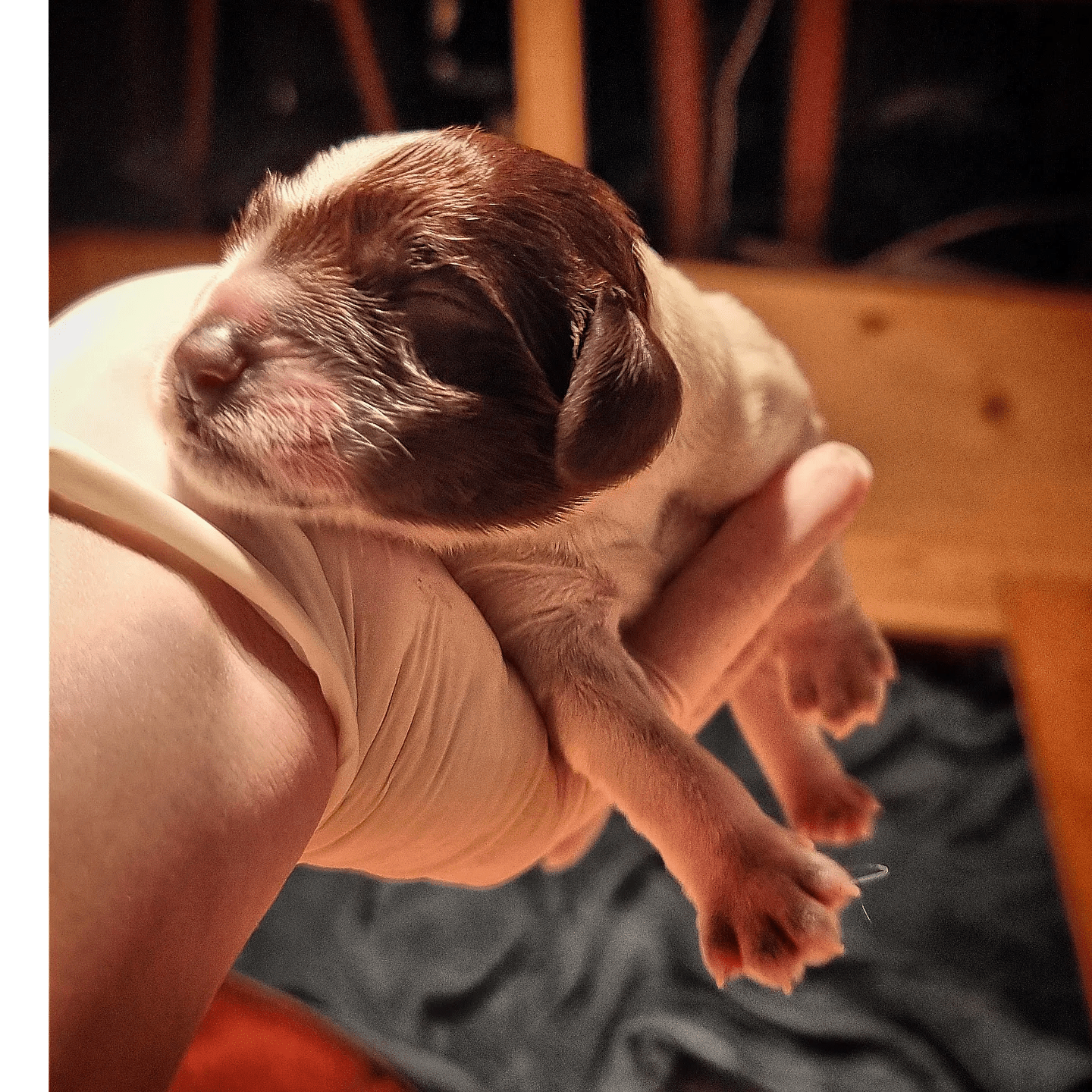
I’m writing a short series of three posts to separate some of the questions that tend to get mixed together in discussions about dog breeding. Each post focuses on a different layer, because treating all of these as one question is one of the reasons these conversations stall.
Fireworks, puppies, and why early life matters more than we realise

We ask modern dogs to tolerate noise, crowds, novelty, and confinement—often without asking how prepared they were to cope. Fireworks expose the cost. This piece explains why early life matters, why timing is the intervention, and why later training cannot fully replace foundations laid before a puppy ever comes home.
10 myths about hip dysplasia

Hip dysplasia remains one of the most frequently discussed yet misunderstood topics in canine health. Despite decades of research and screening programmes, misconceptions persist about what hip scores actually mean, how genetics and environment interact, and what constitutes healthy hips. These misunderstandings matter because they influence breeding decisions, how puppies are raised, and which dogsContinueContinue reading “10 myths about hip dysplasia”
 BusyDoggie