
Breeding is one of the few areas where people make far-reaching decisions on behalf of a future life that cannot consent. “Ethical breeding” and “responsible breeding” are familiar phrases, but they can hide very different standards in practice. I find it more useful to treat breeding as a set of decisions with long tails, whereContinueContinue reading “Doing right by the dog”
Author Archives: Elina Halonen
The Fetch Continuum: understanding risks and making it safer
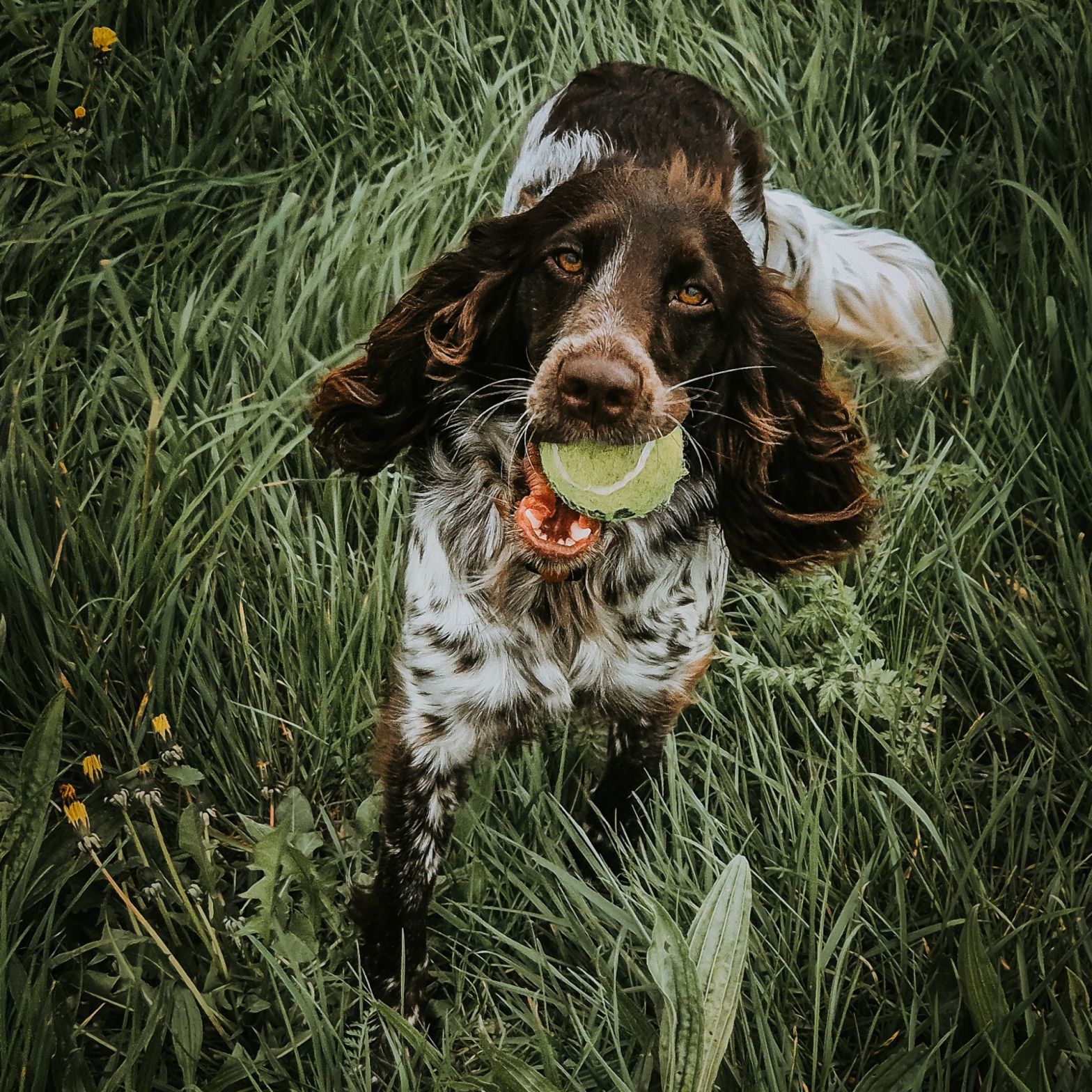
Fetch is one of the most heated topics in dog training: some guardians see it as an easy way to exercise a dog, while others (rightly) argue that it causes injuries and fuels unhealthy obsession. The discussion is often polarized but in reality the question of fetch is far more nuanced
Dogs as family: navigating the parent-child and adult-adult dynamic
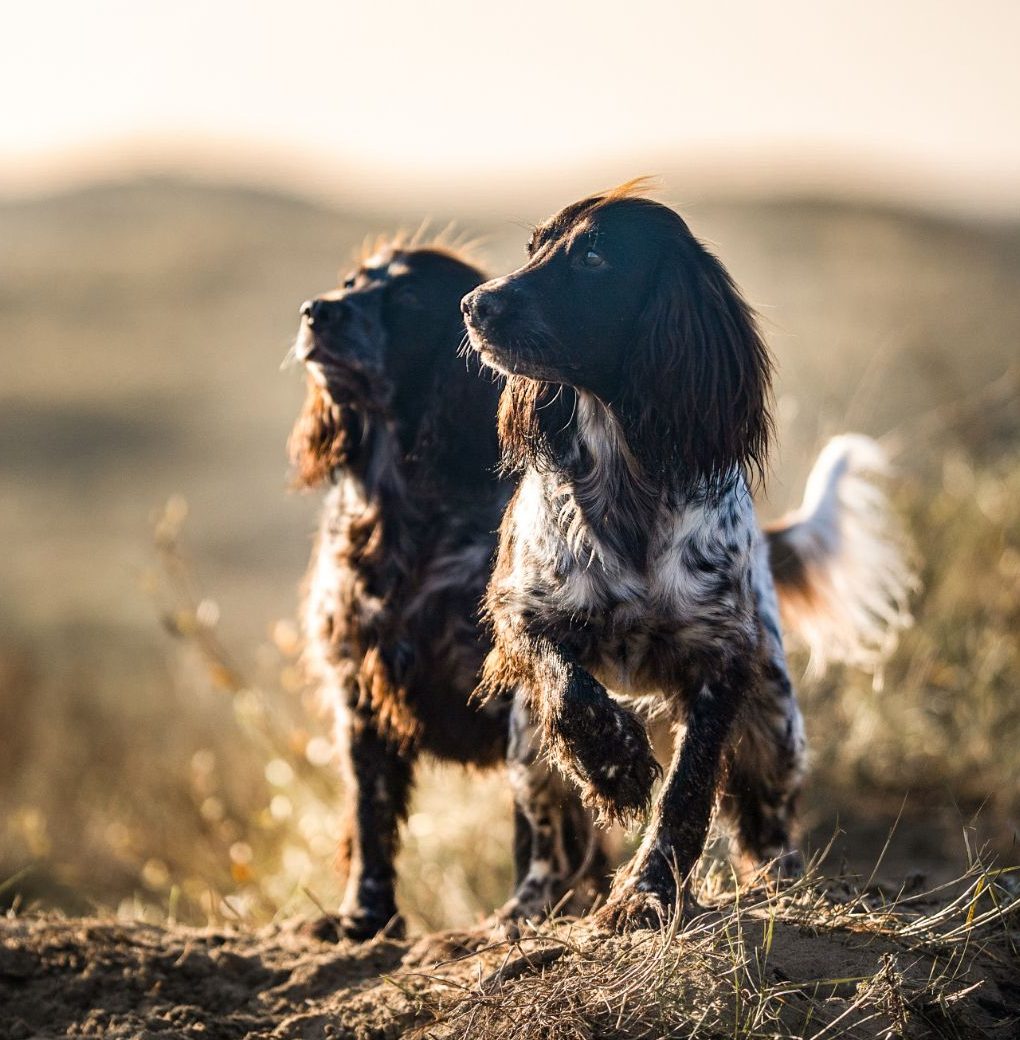
Credit: Tytti Ojala Photography When I’m with my dogs, I’m never alone – I’m with my friends. However, it’s not a fully equal friendship: they live in my human world, and I control the vast majority of it. In this way, whether I like it or not, there is always a parental relationship with dogsContinueContinue reading “Dogs as family: navigating the parent-child and adult-adult dynamic”
The power of movement: why varied exercise matters for dog joint health

Maintaining your dog’s joint health involves more than regular exercise. Varied, dynamic movement is crucial for lubricating, strengthening, and keeping their joints flexible. This prevents localized wear, boosts synovial fluid circulation, and improves flexibility. To achieve this, mix up walking surfaces, do low-impact exercises, provide off-leash time, and incorporate stretching and massage.
The role of conformation in spaniel health and strength
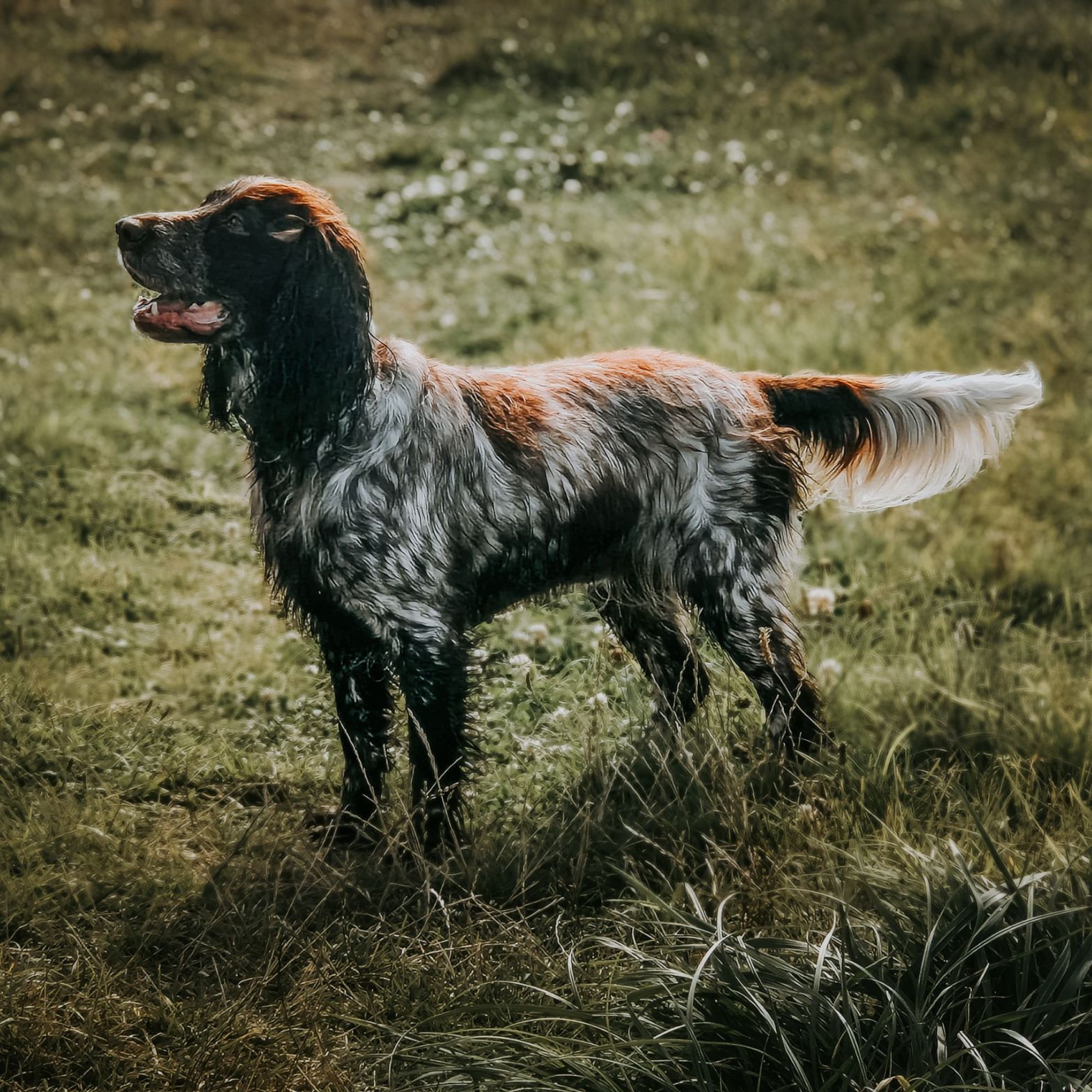
Many assume that if a dog can perform its job well, it must be fit and healthy but working ability alone is not enough. The key to a long, injury-free life lies in a dog’s structural conformation. Proper structure supports the body, prevents injury, and ensures that the dog can perform at its best overContinueContinue reading “The role of conformation in spaniel health and strength”
Reframing ADHD in dogs from a compassionate perspective

The discussion of ADHD-like behaviors in dogs has sparked debate, with Behavior Vets’ approach drawing criticism for overlooking the social and emotional dimensions of ADHD. Liza Rader’s open letter emphasized avoiding pathologizing and suppressing natural traits in dogs, paralleling the challenges faced by individuals with ADHD. A more empathetic understanding is needed, recognizing the context and natural inclinations of both dogs and individuals with ADHD. This shift from labeling and suppression to acceptance and support can create compassionate, effective, and ethical approaches in both dog training and human support.
Embracing your imperfectly perfect dog
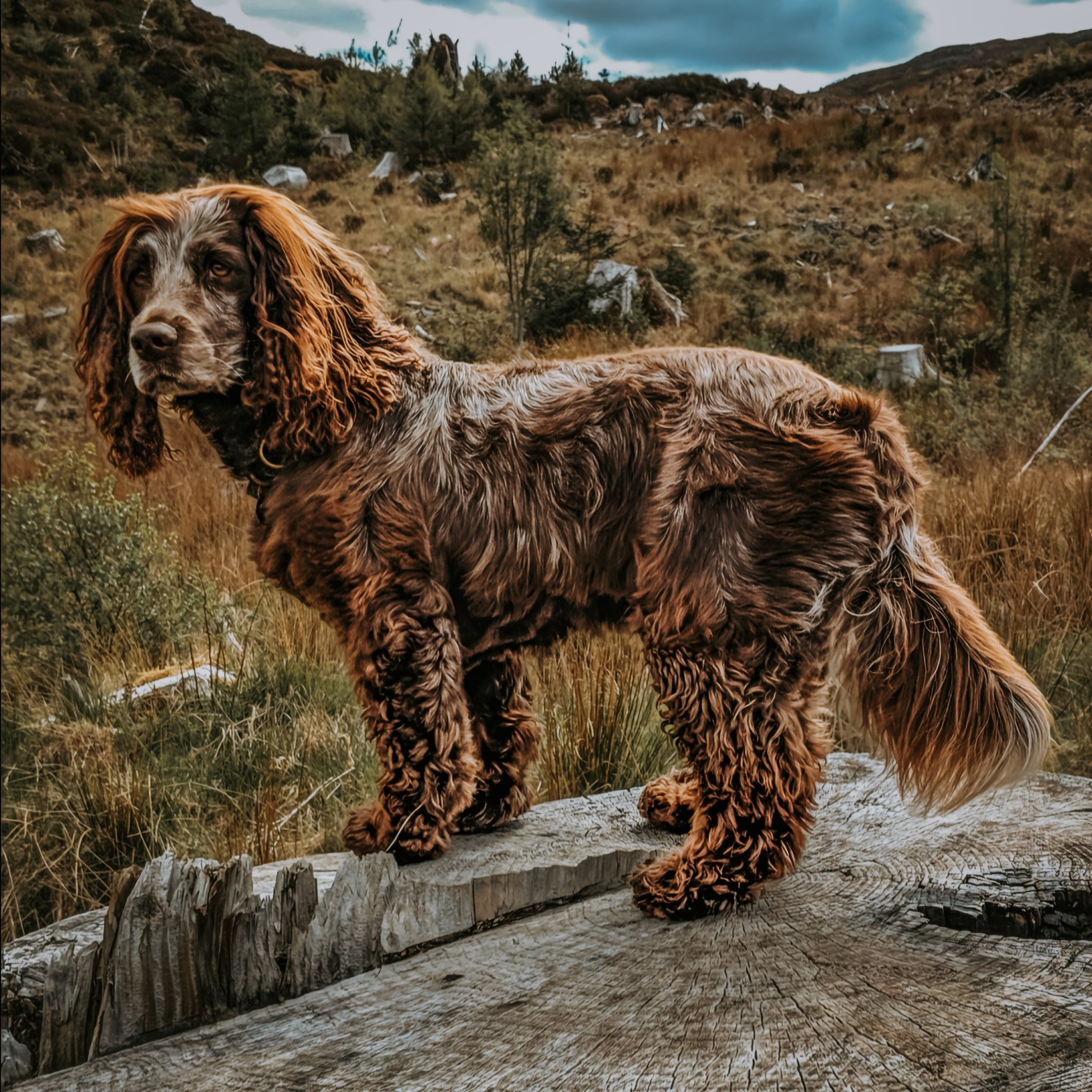
Dogs have taught me to accept imperfection and recognize that everything is a work in progress. I was talking with a friend recently who is training her first dog, now a teenager, and I told her that no dog is ever perfect. With my third dog, I now worry less about certain things—not because they’reContinueContinue reading “Embracing your imperfectly perfect dog”
The ultimate test of unconditional love is when you have to say goodbye
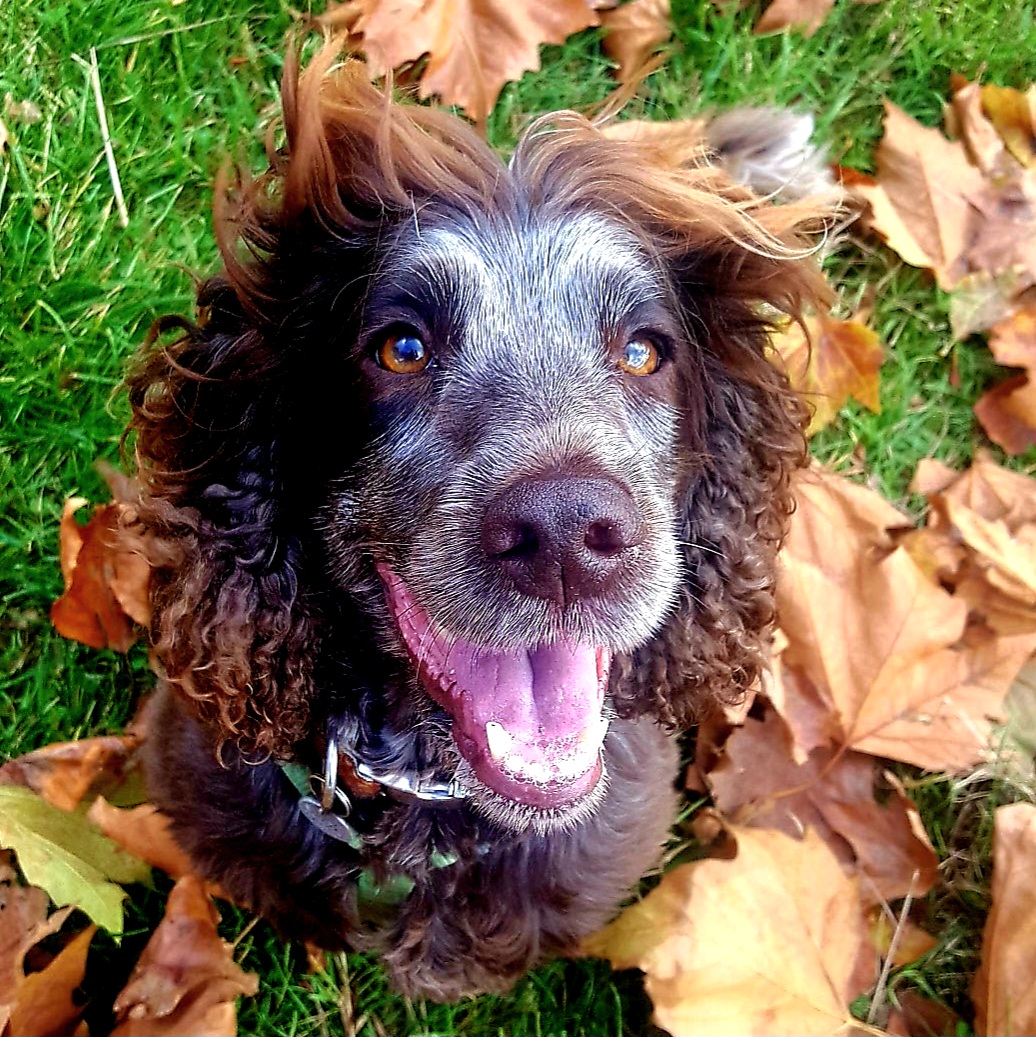
It was my birthday earlier this week, but hardly anyone knows it – and I prefer it that way. I don’t want any well wishes of a happy day, because 2 years ago I said goodbye to my best friend the night before my birthday and forever resetting the baseline for a good day, letContinueContinue reading “The ultimate test of unconditional love is when you have to say goodbye”
Shaping sound minds and bodies: raising puppies with evidence-based enrichment protocols
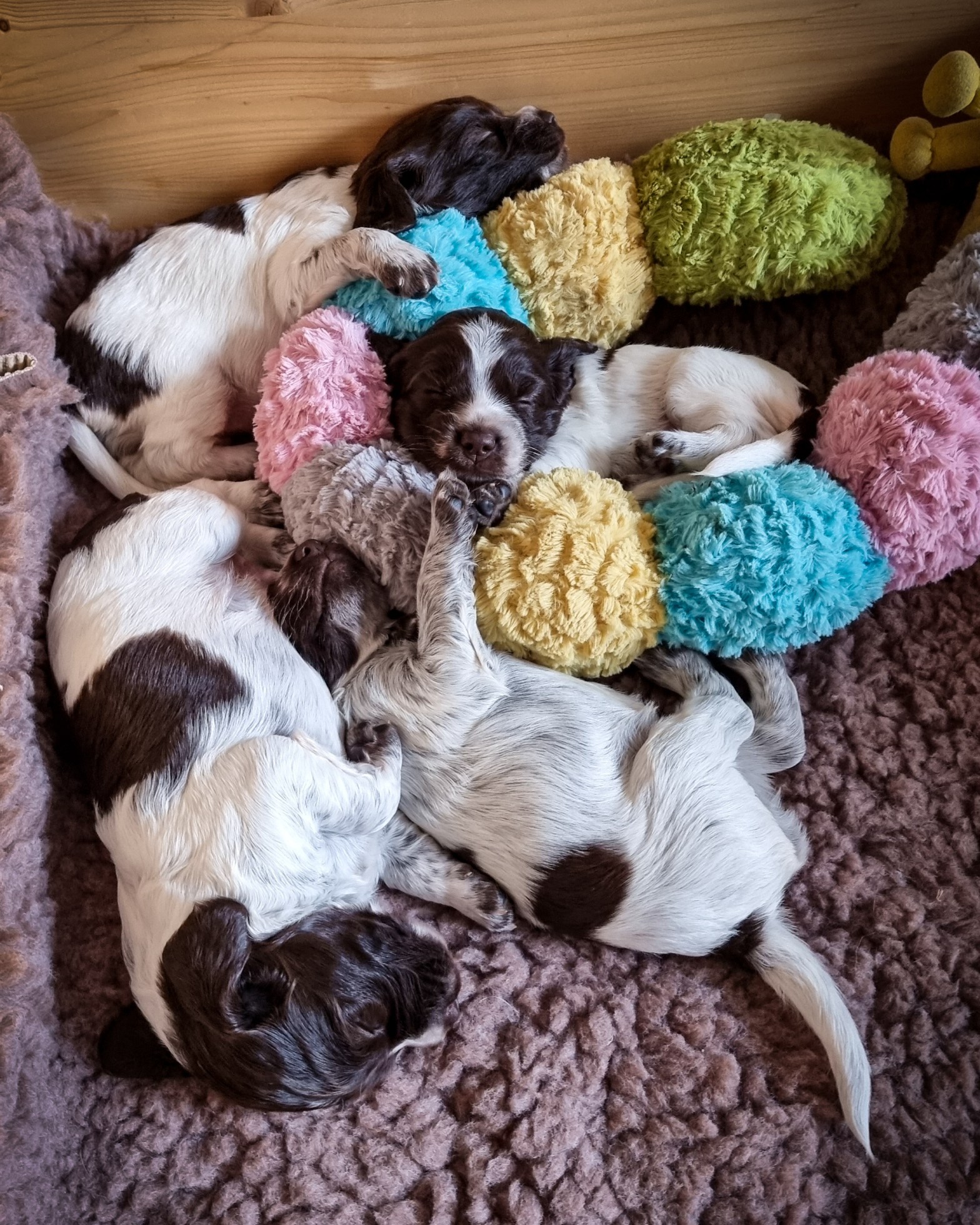
Last year, I raised my first litter of Polish Hunting Spaniel puppies – an intensive yet inspiring project drawing on my background as a psychologist. I had immersed myself in the science of canine wellbeing for two years, so my goal as a breeder was to optimise the puppies’ mental wellbeing by using scientifically backed techniques and environmental enrichment protocols. In this post, I want to share my experiences.
Form follows function: the importance of structure in dog health and performance
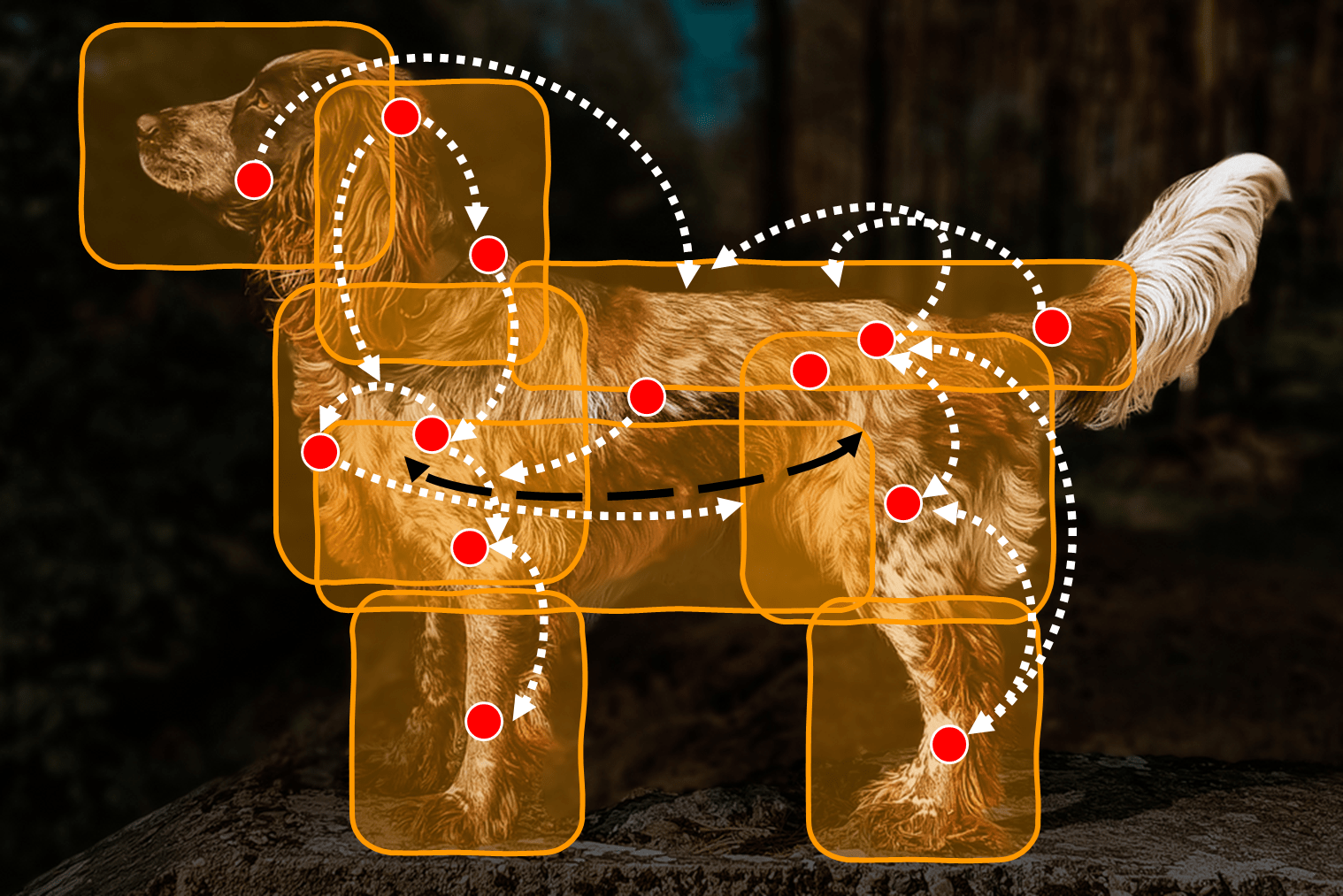
The job of the Polish Hunting Spaniel (PSM) is to excel as a versatile hunting companion – a task where its physical structure also plays a crucial role. In this article, we’ll explore why structure matters for a PSM’s health and performance and how breed standards serve as a blueprint for ensuring that our dogs are well-suited for their intended purposes.
 BusyDoggie