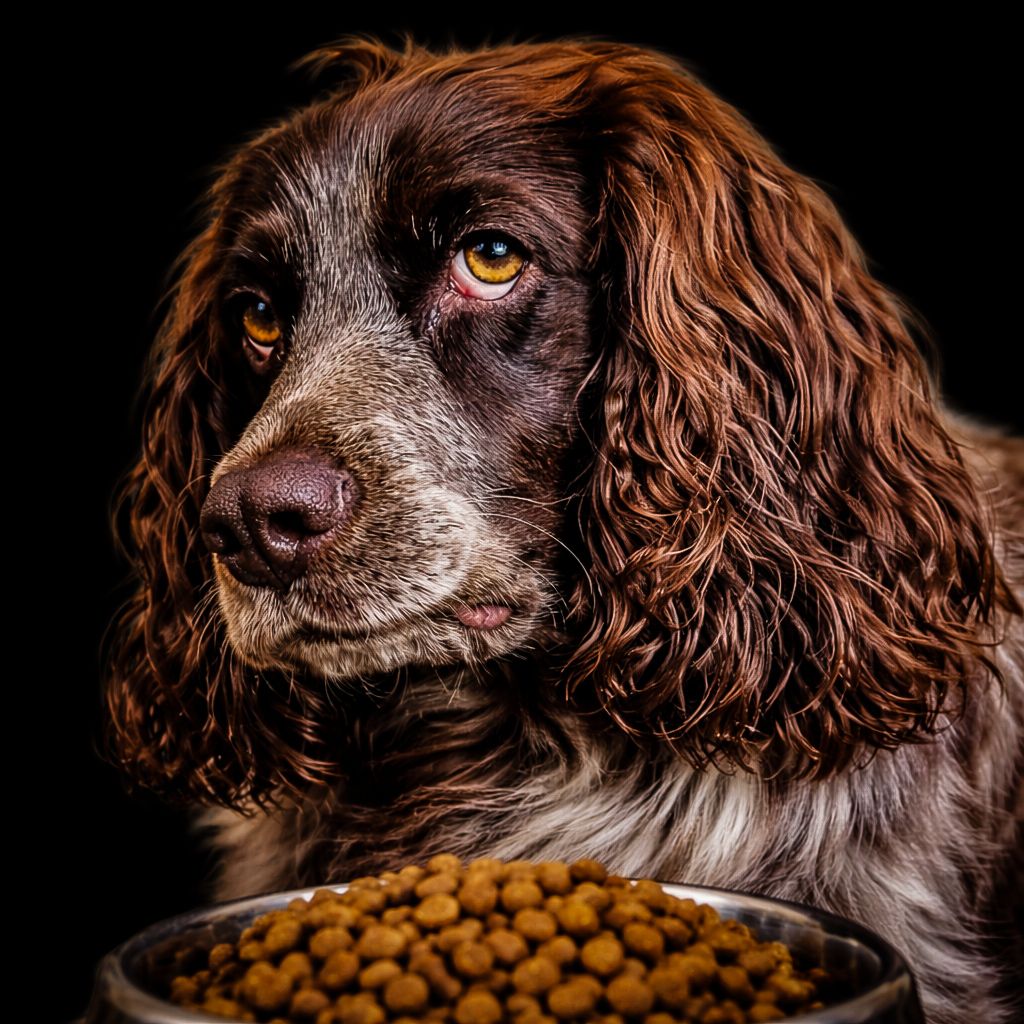
Parts 1 and 2 of this series were about understanding what food reactions actually are, how to identify them and what is in the food that might be triggering them. This part is about what to do with that understanding when your dog is in front of you and you suspect something might not be quite right with them and their food.
Category Archives: Health
Commercial food and food reactions: what’s actually in that bag

When someone says their dog is allergic to chicken, what they almost always mean is that their dog reacted to a food with chicken on the label. Those are not the same observation, and the gap between them is what this article is about. In this second article, I move from the “reaction” part of that term into the second half – what’s actually in the food.
Food reactions in dogs: four mechanisms that are not the same thing
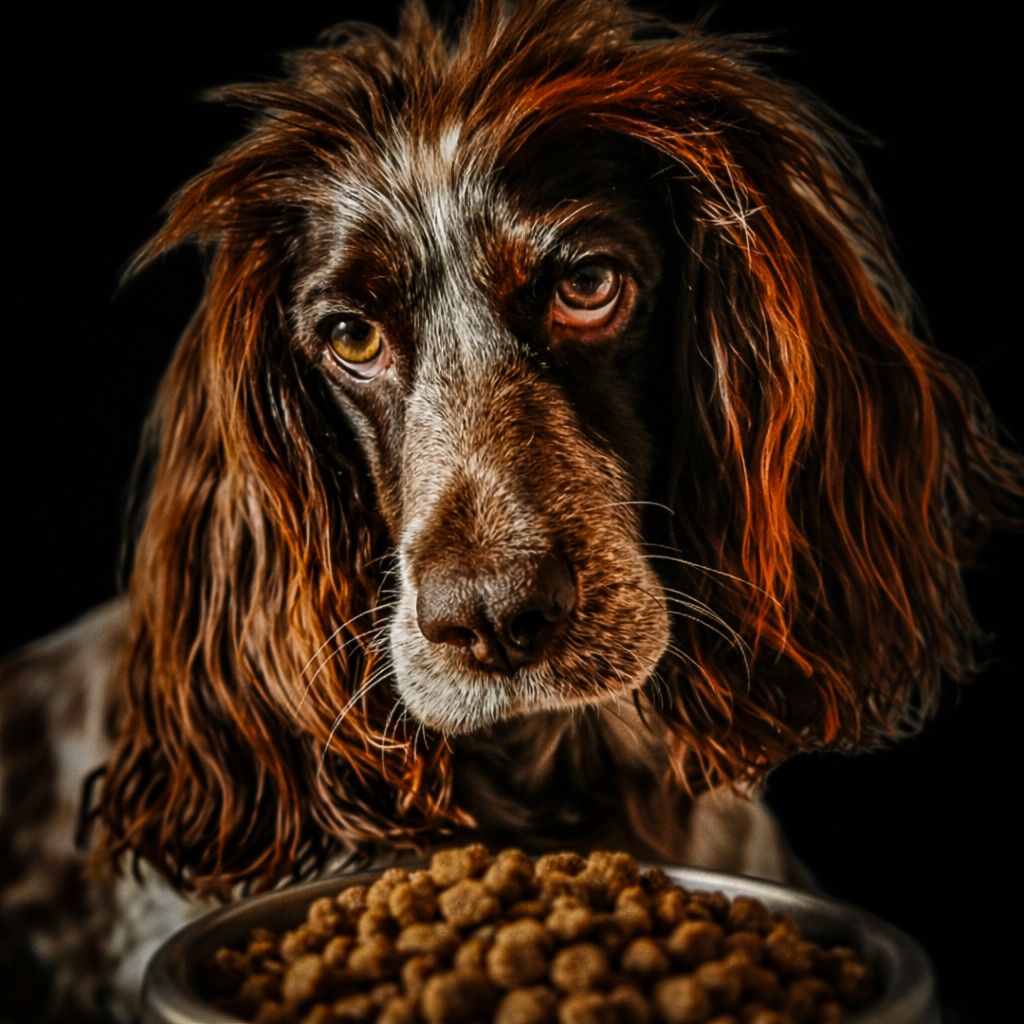
“Reaction to food” is not one thing. It is an umbrella term covering four fundamentally different mechanisms that produce overlapping symptoms but require different responses. Conflating them does not just lead to wrong conclusions — in some cases it leads to management strategies that actively make things worse.
The dog on paper vs. the dog in front of me – are labels destiny?
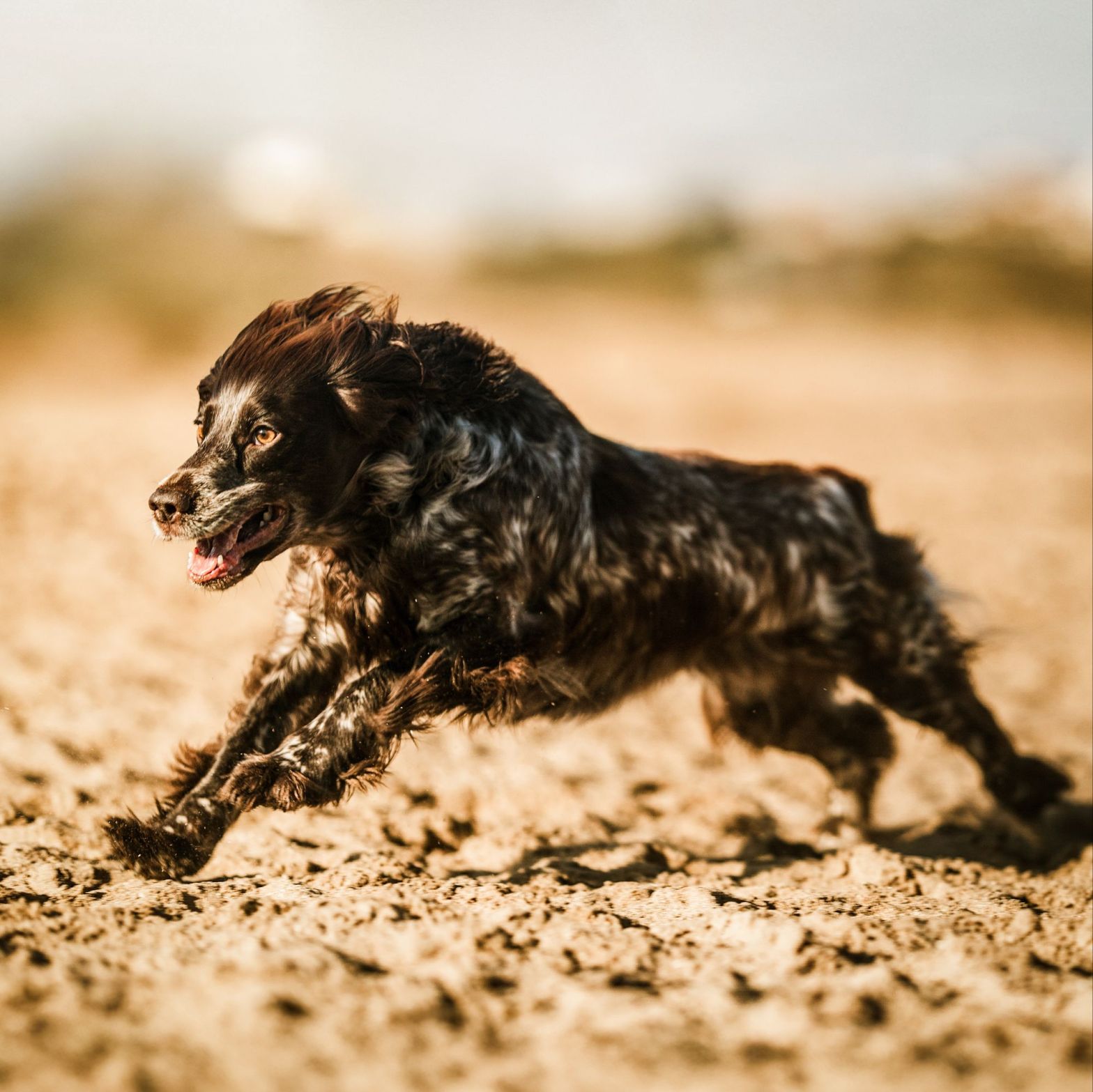
A few nights ago, I saw a story on Instagram – the person had x-rayed her young dog and the HD score came back as C/D. She was heartbroken. The replies were kind, but they carried a particular heaviness – a feeling that a line had been crossed, that certain lives or activities might no longer be responsible. I recognised that moment because I had been there myself.
Risk and uncertainty of dog genetics, unpacked (Part 2)

Health discussions in dog breeding often sound more decisive than the evidence allows. Genetic information is probabilistic, contextual, and population-dependent, but it is repeatedly treated as categorical, individual, and decisive.
10 myths about hip dysplasia

Hip dysplasia remains one of the most frequently discussed yet misunderstood topics in canine health. Despite decades of research and screening programmes, misconceptions persist about what hip scores actually mean, how genetics and environment interact, and what constitutes healthy hips. These misunderstandings matter because they influence breeding decisions, how puppies are raised, and which dogsContinueContinue reading “10 myths about hip dysplasia”
The Fetch Continuum: understanding risks and making it safer

Fetch is one of the most heated topics in dog training: some guardians see it as an easy way to exercise a dog, while others (rightly) argue that it causes injuries and fuels unhealthy obsession. The discussion is often polarized but in reality the question of fetch is far more nuanced
The power of movement: why varied exercise matters for dog joint health

Maintaining your dog’s joint health involves more than regular exercise. Varied, dynamic movement is crucial for lubricating, strengthening, and keeping their joints flexible. This prevents localized wear, boosts synovial fluid circulation, and improves flexibility. To achieve this, mix up walking surfaces, do low-impact exercises, provide off-leash time, and incorporate stretching and massage.
The role of conformation in spaniel health and strength

Many assume that if a dog can perform its job well, it must be fit and healthy but working ability alone is not enough. The key to a long, injury-free life lies in a dog’s structural conformation. Proper structure supports the body, prevents injury, and ensures that the dog can perform at its best overContinueContinue reading “The role of conformation in spaniel health and strength”
Form follows function: the importance of structure in dog health and performance
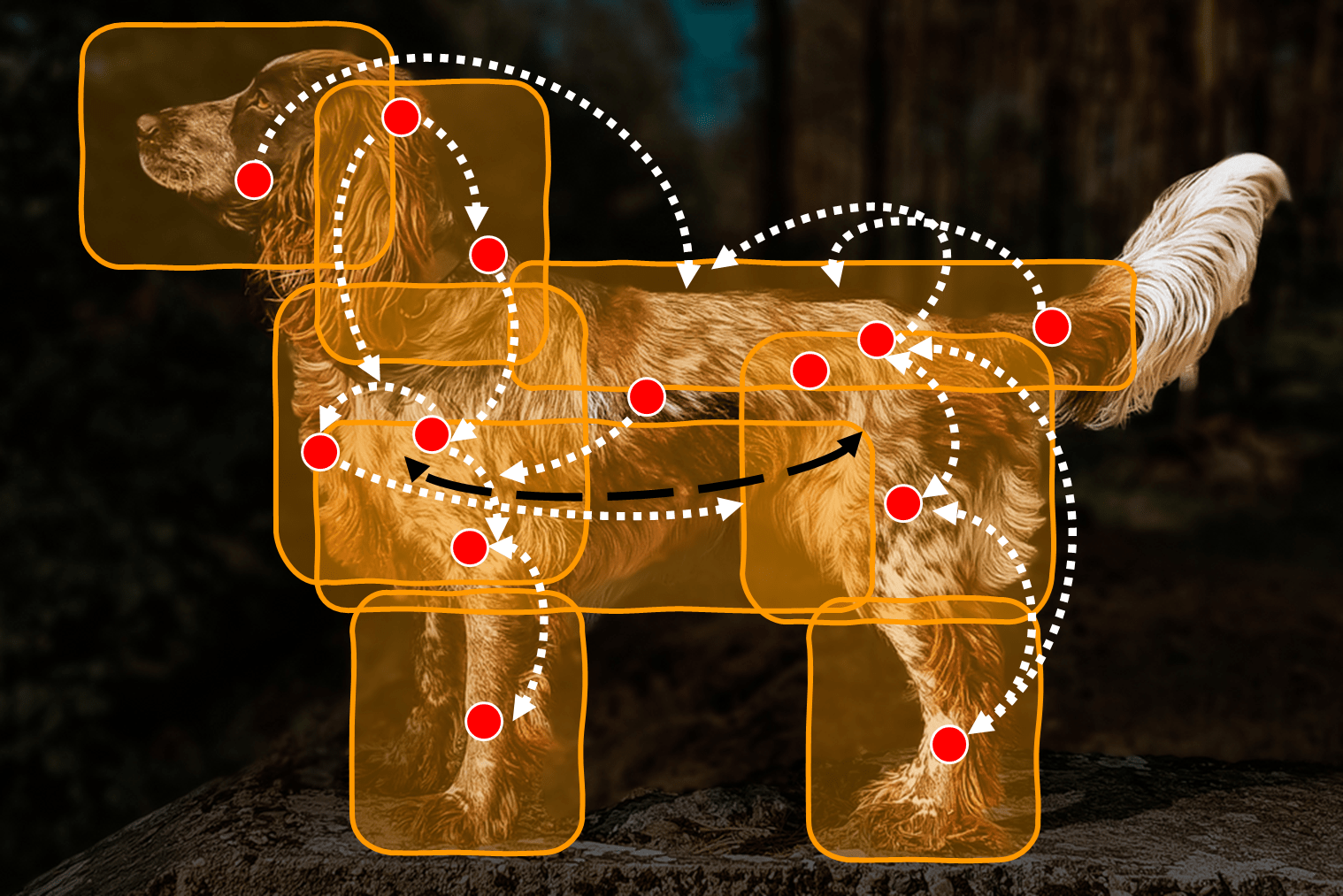
The job of the Polish Hunting Spaniel (PSM) is to excel as a versatile hunting companion – a task where its physical structure also plays a crucial role. In this article, we’ll explore why structure matters for a PSM’s health and performance and how breed standards serve as a blueprint for ensuring that our dogs are well-suited for their intended purposes.
 BusyDoggie